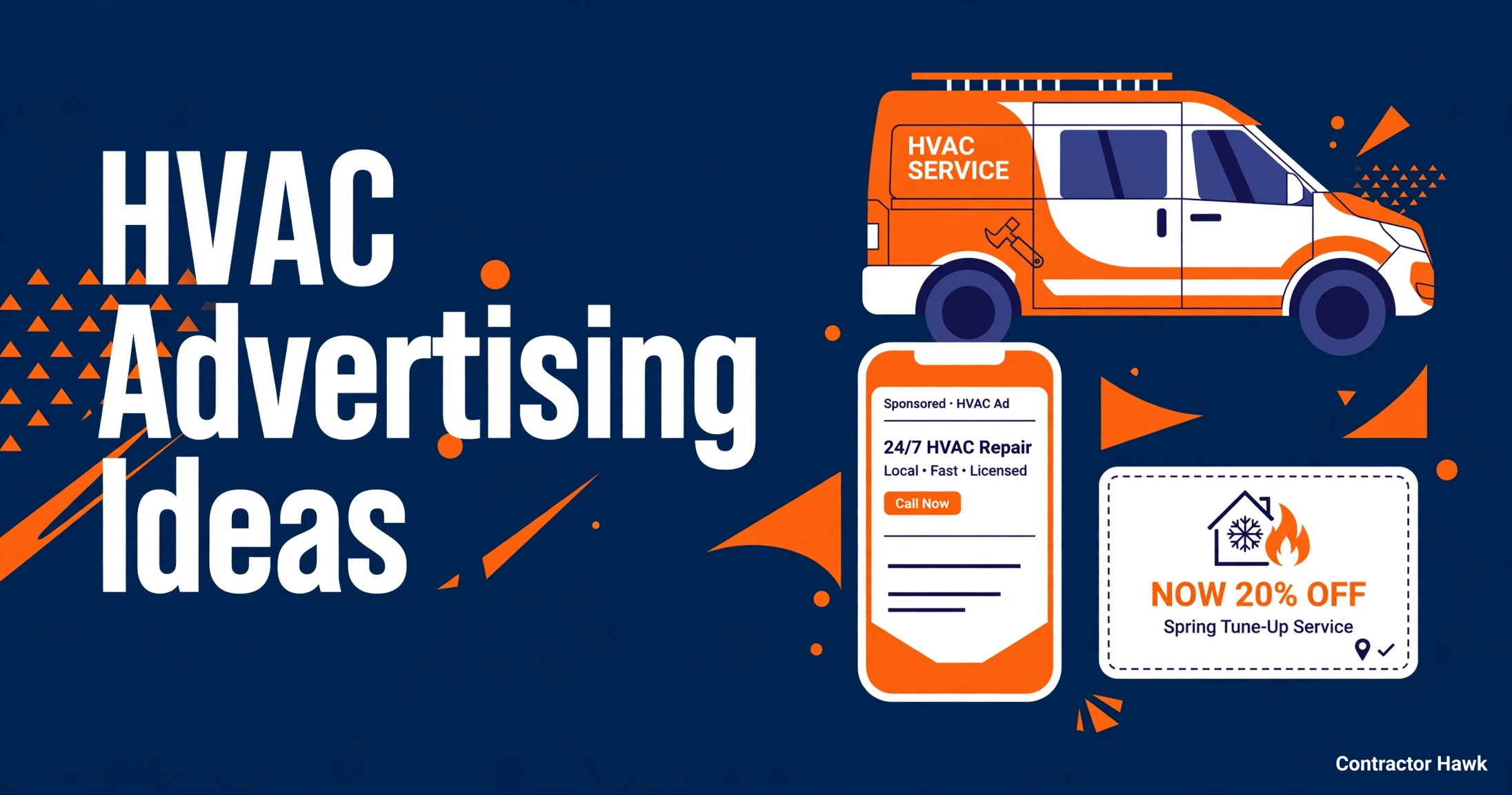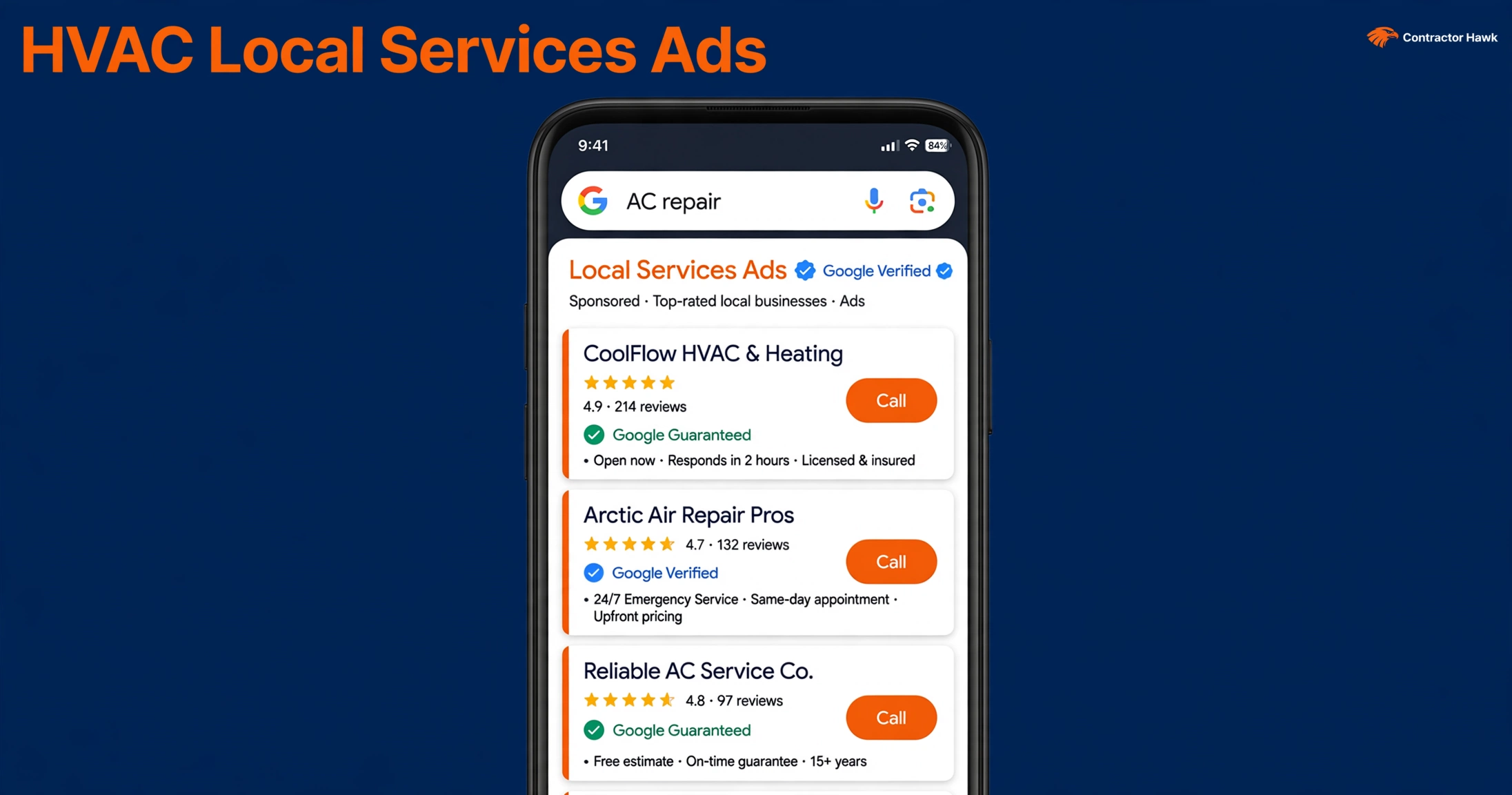
HVAC local services ads put your company at the top of Google when someone nearby searches for AC repair or furnace help. You pay only when a customer calls or messages you from the ad. You do not pay for clicks.
This post answers the two questions that matter. Should your company run these ads? And is the cost per lead worth your money?
Keep reading for a plain explanation, a run or skip checklist, and the mistakes we see contractors make.
Quick answer: what do I do, and is it worth my money?
- What to do: Run Local Services Ads if you have strong reviews and answer every call live. You get a known cost per lead and almost no setup to manage.
- Is it worth it: Often yes for HVAC, because you pay per real lead instead of per click. But the lead price moves with your market, so judge it on booked jobs, not on the lead price alone.
Table of contents
- What HVAC local services ads are
- The Google Verified badge, in plain words
- How cost per lead really works
- When HVAC local services ads win, and when they do not
- Your run or skip checklist
- Mistakes contractors make with Local Services Ads
- Frequently asked questions
What HVAC local services ads are
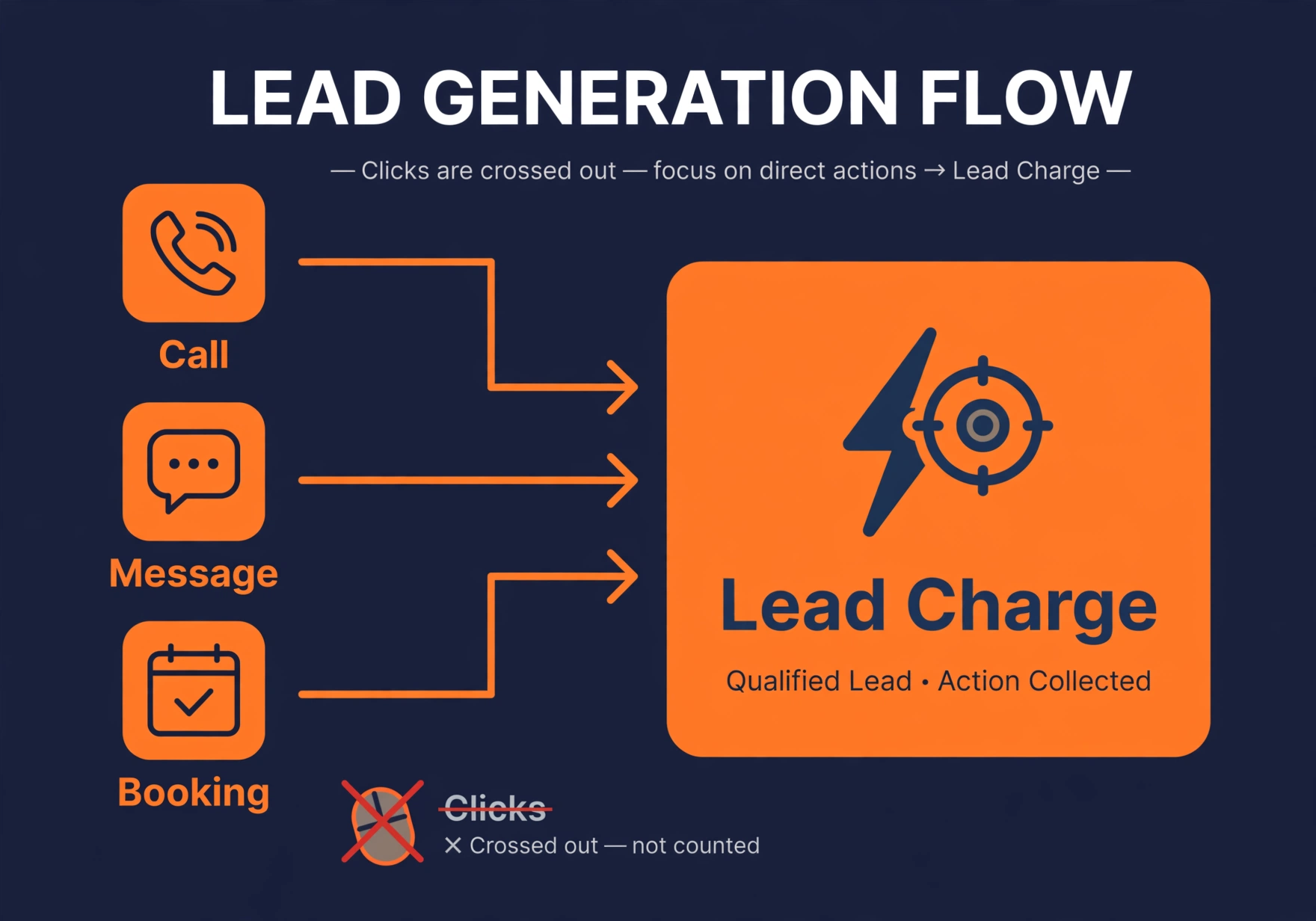
Local Services Ads are Google’s ad product for local service businesses. When someone nearby searches for help with their AC or furnace, a row of ads can appear at the very top. Each one shows the company name, its star rating, its hours, and a Google Verified badge.
Tapping the ad calls or messages the company directly. Think of it this way. Regular Google Ads charge you when someone clicks.
Local Services Ads charge you when someone contacts you. That is the whole difference that matters, and it is why contractors like them. You are buying conversations, not traffic.
Contractors often just call them HVAC LSA. HVAC is one of the home services Google lists as eligible for these ads. You do not need a website to run them.
Leads arrive as ordinary phone calls. You manage them in the Local Services app.
The Google Verified badge, in plain words
The Google Verified HVAC badge tells a homeowner that Google has checked your company. The checks cover your license, your insurance, and background checks where your state requires them.
Google lists HVAC as an eligible home service for the badge.
This badge replaced the old Google Guaranteed badge on 2025-10-20. The old badge came with a money back promise from Google. That promise is gone.
The new badge means you are verified, nothing more. Do not tell customers that Google backs your work.
The badge also shows on your Google Business Profile. Reviews feed the badge’s power. More strong reviews mean more clicks turn into calls.
Ask every happy customer for a review and keep the requests coming.
How cost per lead really works
You set a weekly budget. Google charges you each time a customer reaches you through the ad. A call, a message, or a booking request can each count as a lead.
You never pay for clicks or views. There is no one honest number for what an HVAC lead costs. Your cost per lead moves with four things.
Job type comes first. An emergency AC repair call costs more than a tune up request. Market comes next.
Bigger cities with more competition cost more than small towns. Season matters too. A heat wave week brings more demand, and more demand moves prices.
Your reviews round it out. Stronger reviews win better spots, which can lower your effective cost.
Your market, competition, and season will move these factors. Judge the channel on what marketing results to expect: cost per booked job, not cost per lead.
Do this simple math before you decide. If you book one job from every three calls, each booked job costs you three leads. Multiply by your typical lead price and you know your real cost.
Compare that number to your average ticket and your close rate. If the math works, the ads are worth it. If it does not, fix your close rate before you spend more.
When HVAC local services ads win, and when they do not
Local Services Ads win when you want a known price per lead and you do not want to manage keywords or landing pages. They lose when you need full control over who sees your ads and what the ad says.
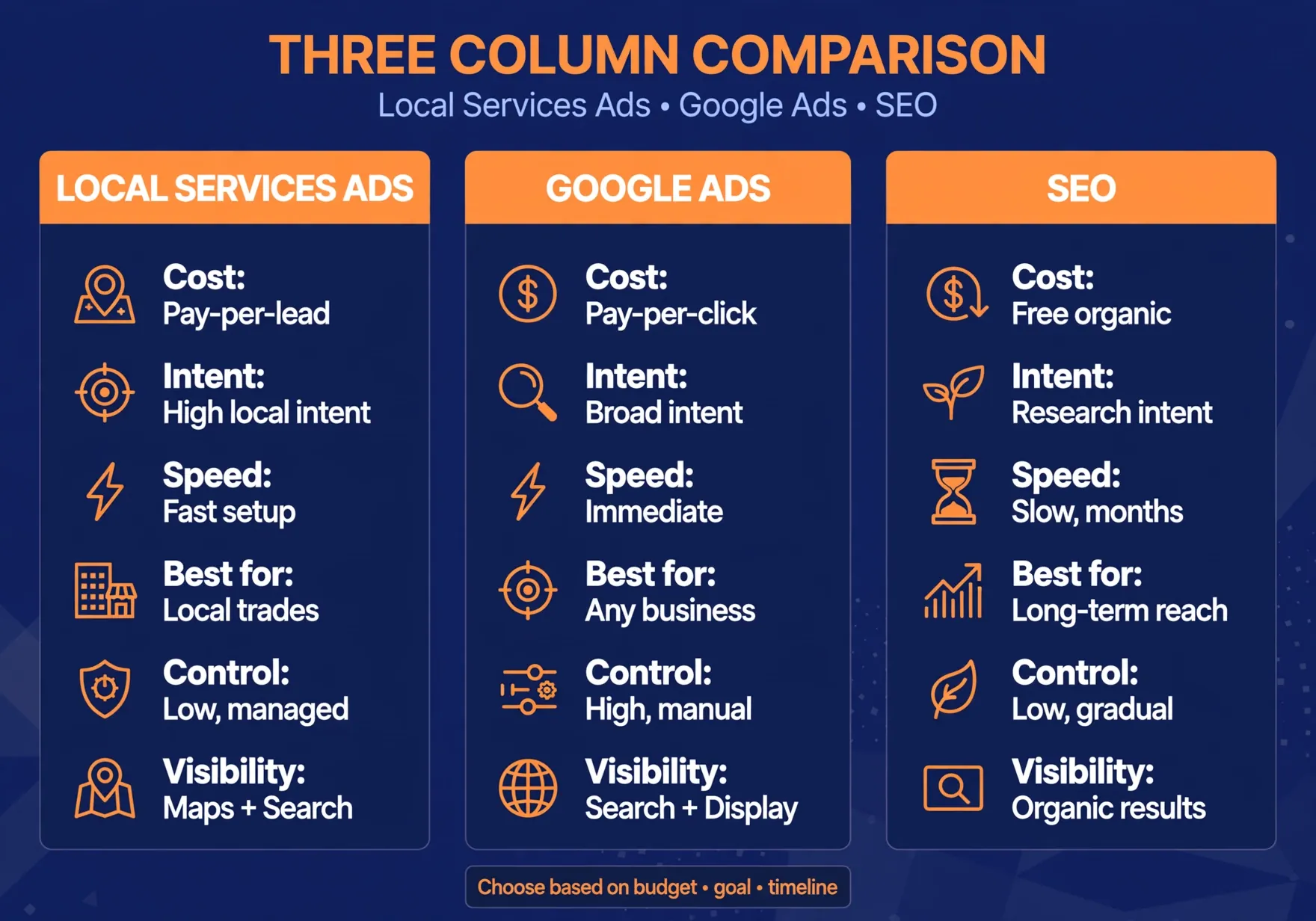
Here is how the three main options compare.
| Choice | How you pay | Best for | Watch out for |
|---|---|---|---|
| Local Services Ads | Per lead: a call, message, or booking | A known price per lead with almost no setup | Google picks the searches; you need strong reviews |
| Google Ads | Per click on your ad | Full control over keywords, ads, and landing pages | Clicks cost money even when nobody calls |
| SEO and content | Your time or your agency fee | Calls that keep coming with no per click cost | Takes months to build; needs steady work |
Many healthy HVAC companies run Local Services Ads and Google Ads together. LSA catches the ready to buy calls at a known lead price. Google Ads catches the exact searches LSA misses.
Our guide to HVAC Google Ads shows how to read the early numbers and decide where the next dollar goes.
Your run or skip checklist
Run through this list before you turn the ads on. If you check most of the boxes, go. If not, fix the gaps first.
- Strong reviews. You have a solid base of Google reviews with a strong rating. Reviews decide much of your placement.
- Live call answering. You or your team answer calls during business hours. Missed calls hurt your ranking and lose jobs.
- Small start. You can start with a modest weekly budget and pause the ads any time. Give it one month of clean data.
- Decent close rate. Your team turns a fair share of calls into booked jobs. Ads cannot fix a broken phone process.
- Job tracking. You track cost per booked job, not just cost per lead. The booking is the number that pays you.
- Patience with verification. You can wait out the background and license checks before the first lead arrives.
Mistakes contractors make with Local Services Ads
These are the mistakes we see most in audits. Each one raises your cost per booked job.
- Treating LSA like Google Ads. You do not pick keywords here. Google matches you to searches from your job types and service area. Set those two carefully instead.
- Ignoring reviews. Google ranks these ads on reviews, rating, proximity, and responsiveness. A thin review profile means poor placement no matter what you spend.
- Missing calls. A missed call still shows up as a lead. Google also warns that missed calls can hurt your ad ranking. Answer live or return the call fast.
- Setting job types too wide. Broad job types bring calls for work you do not do. Google credits leads it finds invalid on its own, but tight settings bring fewer bad calls in the first place.
- Judging on cost per lead. A cheap lead that never books is the most expensive lead you buy. Track cost per booked job and judge the channel on that.
- Running LSA alone. LSA catches ready to buy searches. It does not build your reputation or your repeat business. Pair it with reviews, your profile, and email to past customers. A marketing partner that works only with HVAC contractors can run this mix as one plan.
Frequently asked questions
How much does one HVAC Local Services Ads lead cost?
There is no single honest number. Cost per lead moves with your job type, market, season, and review profile. Emergency repair calls cost more than tune up requests.
Big cities cost more than small towns. What decides value is your close rate and average ticket. Track your cost per booked job and judge the ads on that number.
Do I need a website to run Local Services Ads?
No. Google says you do not need a website for these ads. Leads arrive as ordinary phone calls or messages.
That said, a good website still helps. Some callers will look you up before they dial. A clean site with strong reviews turns more of those lookups into calls.
What does the Google Verified badge mean?
It means Google has checked your business. The checks cover your license, your insurance, and background checks where required. The badge replaced Google Guaranteed on 2025-10-20.
It appears on your ads and your Google Business Profile. Note that it no longer includes a money back promise. Do not claim Google backs your work.
Should I run Local Services Ads or Google Ads?
Often both, since they do different jobs. Local Services Ads give you a known cost per lead with little management. Google Ads give you full control over keywords, ads, and landing pages.
Run LSA for simple, steady leads. Add Google Ads when you want to target exact searches or promote specific services. Compare both on cost per booked job.
Why am I getting leads I cannot use?
Your job types or service area are probably too wide. Google decides which searches you show for from those two settings. Tighten your job types to the work you actually want.
Shrink your service area to the towns you serve well. Google credits leads it finds invalid on its own, so review your lead list every week.
Local Services Ads are worth testing for most HVAC companies, so start small, answer every call, and judge the channel on booked jobs. Want a second pair of eyes before you spend? Request a free audit and we will review your profile, your reviews, and your call handling.
Our promise: 10 new customers in 60 days, or your third month is free. See the terms.