HVAC citations are online listings of your business name, address, and phone. Google, Apple Maps, Yelp, and hundreds of smaller sites all carry this info. When the info matches everywhere, search engines trust your business more.
When it does not match, customers call wrong numbers and maps send them to the wrong place. The question is not whether you need citations. The question is which ones deserve your time and money, and which ones you can ignore.
Quick answer: what do I do, and is it worth my money?
- What to do: Claim your Google Business Profile and a short list of free listings. Make your name, address, and phone match exactly everywhere. Skip paid packages that promise hundreds of listings.
- Is it worth it: Yes, but only the short list. The free profiles on the big platforms earn you calls. Hundreds of tiny directory listings do not bring jobs.
Table of contents
- What hvac citations actually do for you
- Which hvac citations are worth your money
- Which listings to skip
- NAP mistakes that cost you jobs
- Moving shops or changing your name
- Do it yourself: the citation checklist
- Mistakes HVAC owners make with citations
- Frequently asked questions
What hvac citations actually do for you


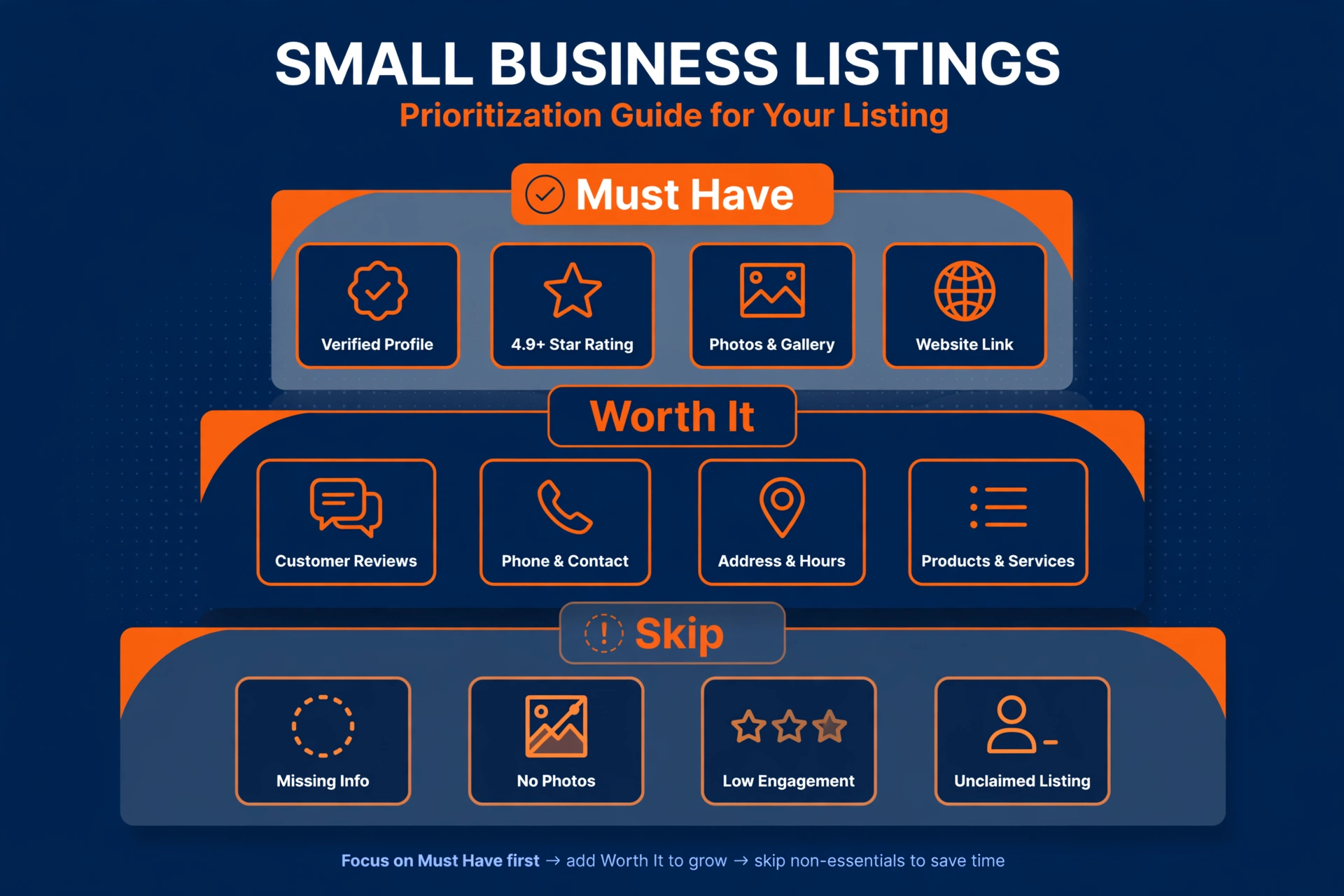
A citation is any place on the web that lists your business name, address, and phone. Search engines compare these listings to check that your business is real and local. Matching info builds trust, and trust helps you show up in the map results.
Citations also put your phone number and hours in front of customers. Someone finds you on Apple Maps or Yelp and calls without ever visiting your website. That is real value, and it costs nothing.
What citations cannot do is carry your marketing alone. They will not fix a weak website or a profile with no reviews. Think of them as one piece of HVAC local SEO, not the whole game.
Which hvac citations are worth your money
Here is the short list that earns its keep. Everything on it is free except where noted. If a listing is not on this list, you can ignore it.
Start with your Google Business Profile, because that is where most calls start. Our HVAC Google Business Profile guide walks through the full setup. Then claim the rest in one sitting.
| Listing | Verdict | Why it matters |
|---|---|---|
| Google Business Profile | Must have, free | Where most calls start. Keep hours, services, and photos current. |
| Bing Places | Worth it, free | Feeds Bing search and voice assistants. Ten minutes of work. |
| Apple Maps | Worth it, free | iPhone users tap it all day. Claim it and check the pin. |
| Yelp | Worth it, free listing | Customers check it before they call. Answer every review. |
| Facebook business page | Worth it, free | People look you up to check you are legit. Keep it active. |
| Better Business Bureau | Optional | Some customers trust the badge. Skip it if money is tight. |
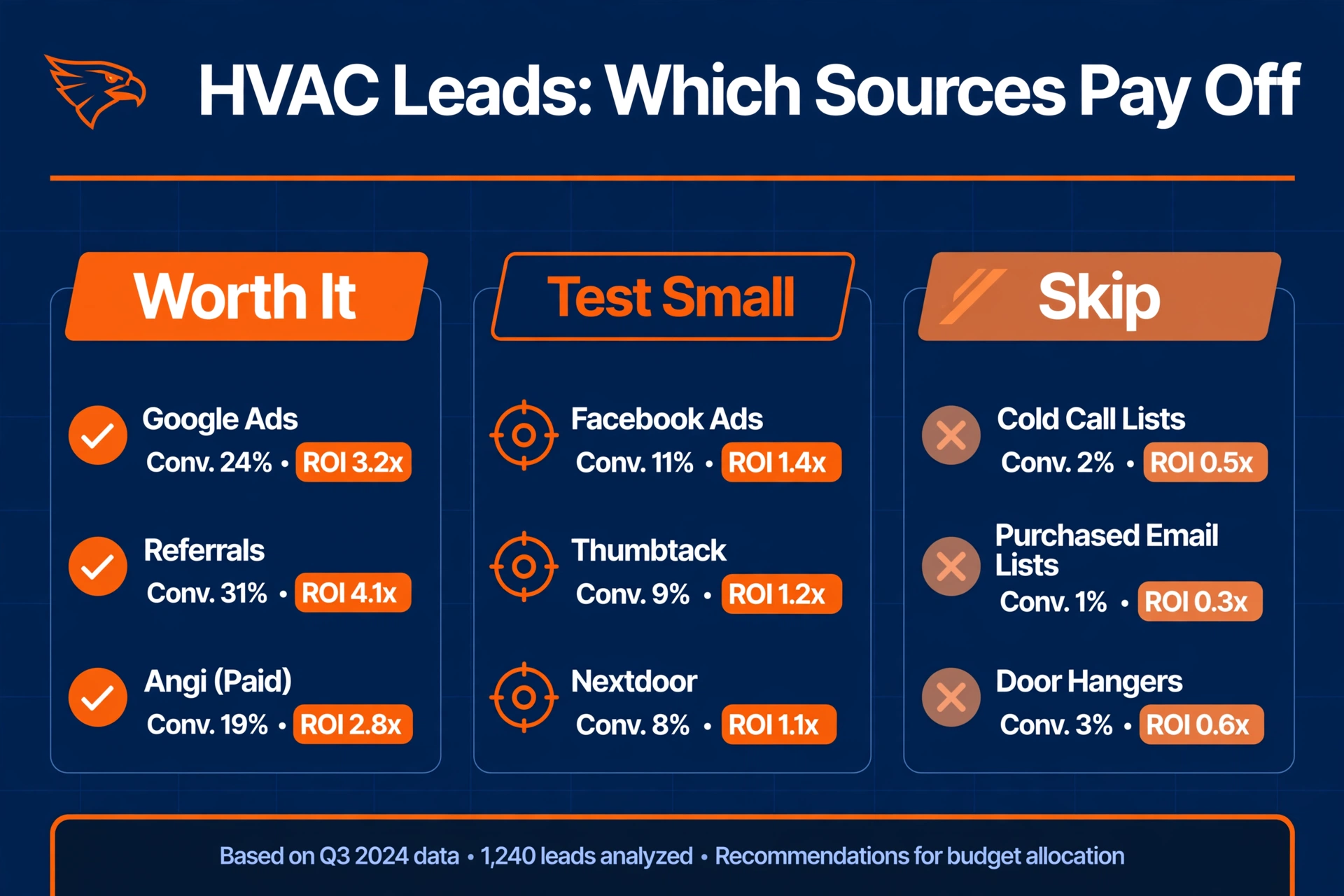
| Angi, HomeAdvisor, Thumbtack | Optional, test one | They can bring leads but charge for them. Test one at a time. |
Use this three question test on any listing someone pitches you. Do homeowners in my town open this site. Can I claim and edit it for free.
Does it show my phone number clearly. If the answer to any of them is no, skip it.
Notice what is missing. There are hundreds of small directories that sell citation packages. None of them made this list, and the next section explains why.
Which listings to skip
Skip any service that sells you hvac business citations in bulk. Most of those sites get no traffic from homeowners. Your listing sits there unread while you paid for the promise of reach.
Skip directories you cannot edit or delete. Most hvac directory listings let you claim the profile for free. If a site locks a wrong phone number behind a paywall, walk away.
Skip industry lists that nobody in your town uses. A national directory of ten thousand contractors helps no homeowner pick you. Focus on the places your customers actually open.
NAP mistakes that cost you jobs
NAP means name, address, and phone. It must read exactly the same on every listing. “Mike’s Heating and Air” on one site and “Mikes Heating and Air LLC” on another looks like two businesses to a search engine.
The classic mistakes are easy to spot. A suite number on one listing and missing on another. An old address from before you moved shops.
A tracking number on some sites and your real number on others causes the same problem. Pick one main number for all listings. Put tracking numbers on ads only, never on directory listings.
Fix this before you build anything new. Search your business name and phone number, open every listing you find, and correct them one by one. It is boring work, and it pays.
Moving shops or changing your name
Moving is where most NAP messes start. Update your Google Business Profile first, then work down the short list. Old addresses linger on scraper sites for months, so check back.
If you rebrand, pick the new name once and commit to it. Update every listing to the exact new name before you order new truck decals. A half finished rebrand looks like two weak businesses instead of one strong one.
Do it yourself: the citation checklist
You do not need an agency for this. One focused afternoon covers it. Work the list in order.
- Write down your exact NAP. Decide the one name, one address, and one phone number every listing will use. Use this exact text everywhere, down to the suite number.
- Claim Google Business Profile first. Finish every field, add real photos, and set your hours. This profile earns more calls than all other listings combined.
- Claim Bing Places, Apple Maps, Yelp, and Facebook. Copy your exact NAP onto each one. Add the same photos and hours so customers see one clear business.
- Search and fix the rest. Search your business name and old phone numbers. Fix every wrong listing you find, and ask dead sites to remove old ones.
- Check once a quarter. Listings drift when sites scrape old data. A quick check four times a year keeps everything clean.
New citations usually show up within a few days to a few weeks, but timing varies by directory. Do not pay anyone to rush it, because there is nothing to rush.
Citations are step one of local visibility. Our HVAC SEO guide shows what comes next, from reviews to your website.
Mistakes HVAC owners make with citations
These mistakes show up in almost every audit. Each one is easy to avoid once you see it.
- Paying for hundreds of listings. A package of three hundred citations sounds impressive. Homeowners never visit those sites, so the money buys nothing.
- Using different business names. Adding LLC on some sites and dropping it on others splits your trust in two. Pick one exact name and use it everywhere.
- Putting tracking numbers on listings. Tracking numbers belong on ads, not on your Google profile or directories. Mixed numbers confuse search engines and customers alike.
- Claiming profiles and then ignoring them. Wrong holiday hours send customers to a closed shop. Check hours and photos a few times a year.
- Letting duplicate listings live. Two Google profiles for one shop split your reviews and confuse everyone. Merge or remove the extra one.
A marketing partner that works only with HVAC companies will audit this for you, but the checklist above covers the same ground.
Frequently asked questions
Do HVAC citations really help my Google rankings?
They help, but they are not magic. Matching listings tell Google your business is real and local, which supports your map rankings. They work best next to a complete Google Business Profile with steady reviews and a solid website behind it.
Should I pay a company to build citations for me?
Usually no, because the listings that matter are free and take one afternoon to claim yourself. Paid packages mostly add tiny directories that bring zero calls, so spend that money on review requests or your website instead. If you truly have no time, pay for a one time cleanup, not a monthly plan.
What does NAP consistency mean in plain English?
It means your name, address, and phone read exactly the same on every site, down to spelling, suite number, and phone format. When Google sees five versions of your info, it trusts you less. When it sees one version everywhere, it trusts you more, so fix mismatches before you add new listings.
How long does it take for new citations to show up?
Most listings go live within a few days, while some directories take a few weeks to approve them, and timing varies by site. There is no date anyone can promise, so do not pay extra for rush posting. Waiting costs nothing, so check back after a month and fix anything still missing.
Can I use a call tracking number on my listings?
No. Put your real main number on every listing and keep it the same everywhere, because tracking numbers belong on ads only. Mixed numbers confuse search engines and customers alike, so keep one number public and track calls with numbers that appear in ads alone.
How often should I check my citations?
Four times a year is enough for most shops. Open your top profiles each quarter and fix anything that drifted, and check right away if you move, change numbers, or rebrand. Set a repeating calendar reminder so it actually happens, because forgotten listings quietly go stale.
Claim the short list, keep your NAP exact, and skip everything that charges you for reach nobody sees.
Want a second pair of eyes on your listings? Request a free audit and we will show you which citations to fix first.
Our promise: 10 new customers in 60 days, or your third month is free. See the terms.