HVAC leads are easy to buy and hard to judge. Every lead seller promises a full calendar, and every ad platform promises more calls. But a lead is only worth the dollars the booked job returns.
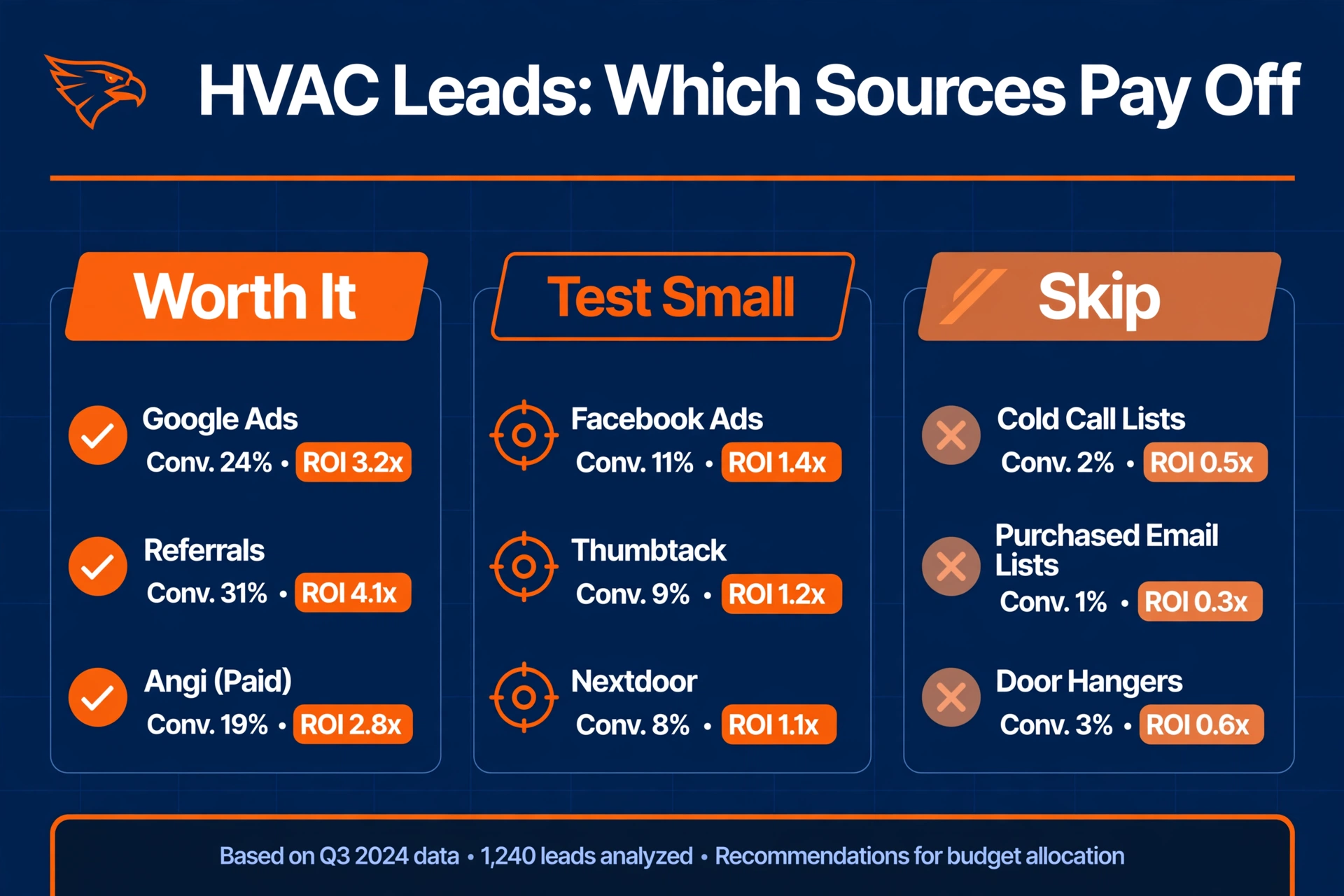
This post gives a plain verdict on every major source of HVAC leads, scored by dollar per return. Worth it means put money there now, and test small means try it on a tight budget while you watch the numbers. Skip is rare here, because most sources work somewhere.
Quick answer: what do I do, and is it worth my money?
- What to do: Spend first on Google search ads and Local Services Ads. Build your website and reviews in the background. Buy leads from sellers only in small tests you measure.
- Is it worth it: Yes, but only if you track jobs per dollar spent. The right source pays you back many times over. The wrong one burns budget on leads that never book.
Table of contents
- How we score every lead source
- Google search ads: verdict worth it
- Local Services Ads: verdict worth it
- Your website and reviews: verdict worth it
- Buying HVAC leads from sellers: verdict test small
- Facebook ads: verdict test small
- Referrals: verdict worth it
- How to judge any lead source yourself
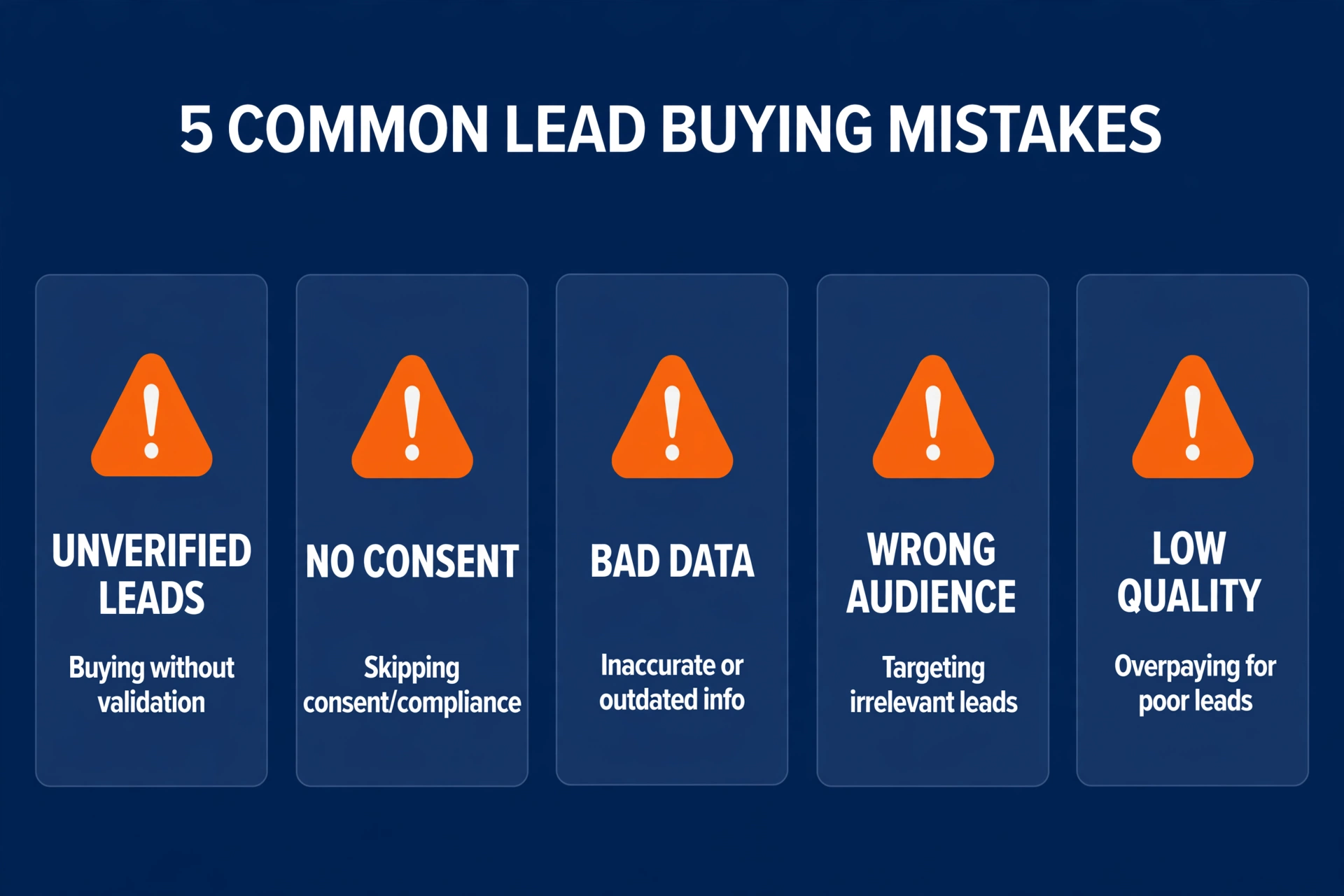
- Mistakes owners make with HVAC leads
- Frequently asked questions
How we score every lead source

Every verdict below uses one measure: dollar per return. Add up the revenue from booked jobs the source brought in, then divide that by what you spent. That is your return.
Worth it means the source pays off for most HVAC shops. Test small means it pays off for some, so run a small trial before you commit. Skip means your money works harder almost anywhere else.
| Lead source | Verdict | Why in one line |
|---|---|---|
| Google search ads | Worth it | Customers are searching right now, ready to buy |
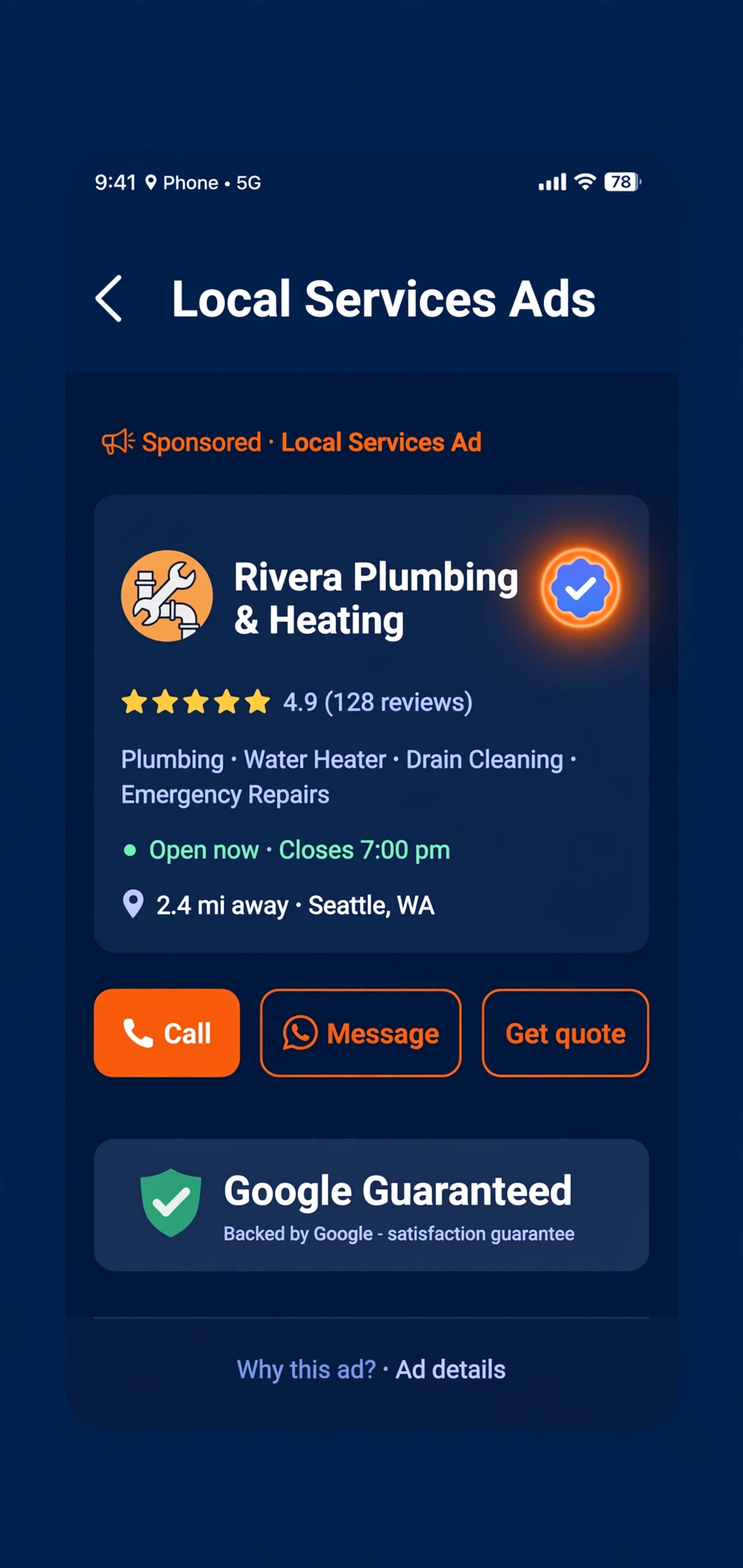
| Local Services Ads | Worth it | You pay per lead, and the Google Verified badge builds trust |
| Your website and reviews | Worth it | Slow to build, but free leads for years once it ranks |
| Buying leads from sellers | Test small | Leads are often shared, so speed and a small test win |
| Facebook ads | Test small | Great for offers and reminders, slow for emergency jobs |
| Referrals | Worth it | Your cheapest leads, and they already trust you |
Google search ads: verdict worth it
Someone searches for AC repair at midnight and your ad shows at the top. They tap and call. That is buyer intent you can buy, and almost no other source matches it.
You pay per click, not per job. So your ad text and landing page matter a lot. Send clicks to a page that shows your phone number big and lists the service the searcher asked for.
Read our guide to HVAC Google Ads before you spend. It shows the simple setup that keeps bad clicks out.
Local Services Ads: verdict worth it
Local Services Ads sit above regular ads with a Google Verified badge next to your name. Homeowners trust that badge, so these listings win calls from people who do not know your brand.
You pay per lead, not per click. That sounds better, and it usually is, but you still have to answer fast. Missed calls here are leads you paid for and lost.
One caution. Availability and lead volume vary by market, so check whether your area has enough volume before you bet big on this one.
Your website and reviews: verdict worth it
Ranking on Google and collecting reviews is the only lead source that gets cheaper over time. You do the work once, and the calls keep coming without paying per click.
It is slow. Most sites need months of steady work before rankings move, and the timeline varies by market and competition. Treat it as a background engine, not a quick fix.
Our guide to getting HVAC customers shows how the website, reviews, and referrals fit together. Start the engine now and let it run.
Buying HVAC leads from sellers: verdict test small
To buy HVAC leads, you pay a lead seller for customer contact info, usually by the lead. It sounds simple. The catch is that the same lead is often sold to several shops at once.
That means speed wins. The first shop to call usually gets the job. If your team cannot answer in minutes, this source will burn your budget.
Test it small. Buy a handful of leads, call them fast, and score them with dollar per return. If the math works, scale up, and if not, cut it and move on.
Facebook ads: verdict test small
Facebook puts your ad in front of people who were not looking for HVAC. That is interruption, not intent. It works best for tune up offers, maintenance plans, and reminders before summer.
Emergency jobs do not start on Facebook. So judge this source on booked maintenance visits and new customer names, not on clicks.
Test it with a small budget and one clear offer. If the offer pulls calls, keep it. If it only pulls likes, stop.
Referrals: verdict worth it
A happy customer telling a neighbor is the oldest lead source there is. It still beats almost everything. Referrals cost you the least and tend to book at the best rate.
You do not need a fancy program. Ask for the review and the referral at the end of every finished job. Make it a habit, and the leads compound.
Referrals dry up if your work slips, so do great work, then ask. That order matters.
How to judge any lead source yourself
Forget the seller pitch and run this simple math on every source. Track what you spent, count the booked jobs it brought, and divide the revenue by the spend. That is HVAC lead generation without the guesswork.
That number is your dollar per return for that source. Run the math per source, not blended together. A blended number hides the winner and the loser.
Give each source a fair sample before you judge. A few dozen leads over a few weeks is a typical test size, though it varies by market. If the calls never come, cut it sooner, and see what marketing results to expect while you measure.
Mistakes owners make with HVAC leads
These mistakes cost owners real money. We see them in almost every audit where the owner says the leads were bad.
- Buying a big batch before a small test. Never buy hundreds of leads on day one. Buy a small test, score it, then decide. A big batch of bad leads teaches you nothing a small test could not.
- Judging a source on five leads. Five leads is noise, not a verdict. Give it a real sample before you move budget. Cutting a winner in week one is expensive.
- Calling back too slow. The first shop to answer usually wins. If your team takes hours to call back, even great leads go cold. Fix the follow up before you buy more leads.
- Not tracking which source booked the job. If you do not log the source of every booked job, you cannot score dollar per return. Every job gets a source tag. No tag, no verdict.
- Chasing the cheapest lead. A cheap lead that never books costs more than an expensive lead that does. Judge by dollars returned, not dollars per lead. A marketing partner that works only with HVAC companies will push you toward this math, not the cheapest click.
Frequently asked questions
Should I buy HVAC leads from a lead seller?
Test it small first. Lead sellers often sell the same lead to several shops, so speed decides who wins. Buy a handful of leads, call them in minutes, and score the dollar per return before you buy more.
What is the best lead source for an HVAC company?
Google search ads and Local Services Ads usually lead the pack, because those customers are ready to buy right now. Your website and reviews are the best long term source once they rank, and referrals are the cheapest. Run several sources and keep score by dollar per return.
How do I know if a lead source is worth the money?
Track what you spent, how many booked jobs came from that source, and the revenue those jobs brought. Divide revenue by spend to get your dollar per return for that source. Keep the sources that return more than they cost, and cut the rest.
How many leads do I need to judge a source fairly?
A few dozen leads over a few weeks is a typical test, though it varies by market and job type. If calls come in steady and book at a fair rate, give it more time. If almost nothing calls or books after a real test, cut the source and move your money.
Should I answer a new lead right away?
Yes, as fast as you can. The first shop to answer usually wins the job, especially for emergency calls, and an old lead is often already lost. Set up a system so every new lead gets a call within minutes, day or night.
Are cheap leads a good deal?
Only if they book. A cheap lead that never books costs more than an expensive lead that does, because the cheap one returns zero dollars. Judge every source by dollar per return, not by price per lead.
Score every source by dollar per return, and the verdicts write themselves. Keep the winners, test the maybes, and cut the rest.
Want a second pair of eyes on your lead mix? Request a free audit and we will score your sources with you.
Our promise: 10 new customers in 60 days, or your third month is free. See the terms.